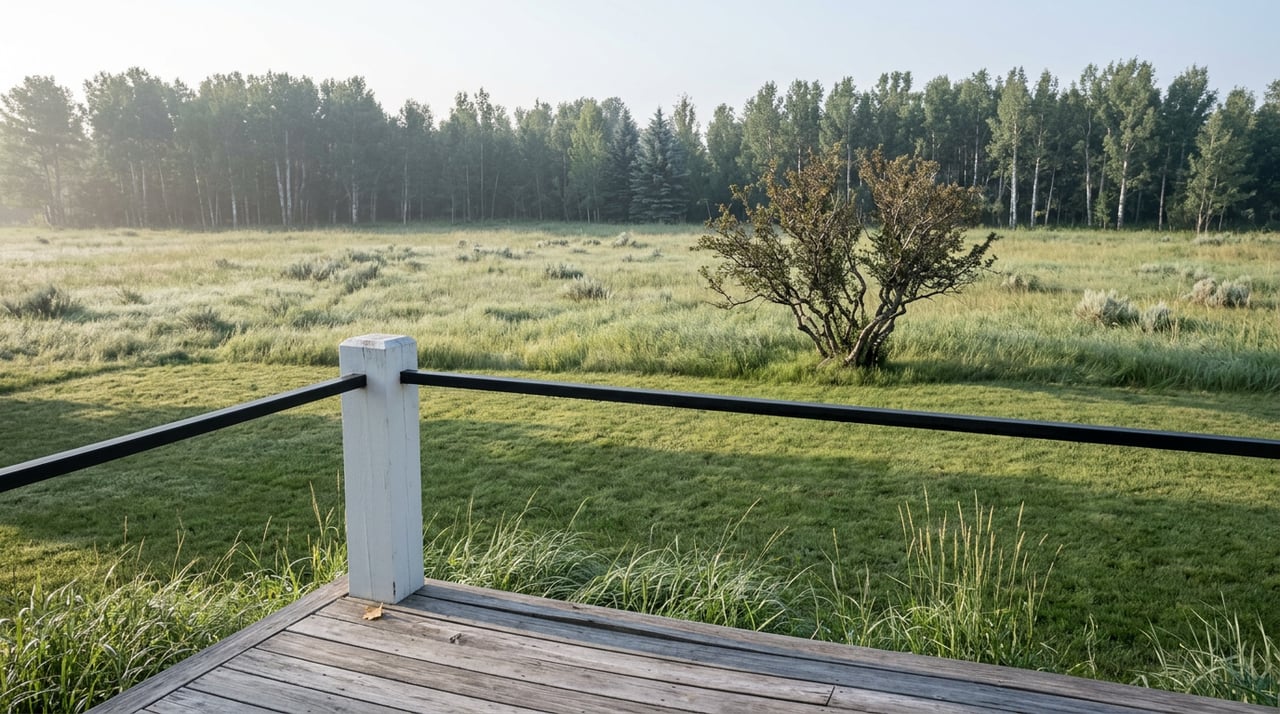
Where to See Elk in Chaffee County This Fall
August 27, 2026
August 27, 2026
Every visitor guide to Buena Vista points you toward the same two places to see elk: the observation deck at Love Ranch in Chalk Creek Canyon, and the herd that grazes the meadows near the Heckendorf reserve northwest of town. Both are real. Both are worth the drive. Neither one is where you're most likely to actually hear a bull bugle on a random Tuesday morning in September.
The elk that make Chaffee County loud this time of year aren't reading the trailhead signs. They're working the hay ground. If you live here and you want a decent shot at the sound that defines this valley every fall, the difference between the marked wildlife area and the unmarked alfalfa field off a county road matters more than any list of "best spots" will tell you.
Bull elk begin sparring and bugling as early as late August, but the real chorus builds through the second and third weeks of September, when bulls are actively rounding up cows and defending them from rivals. That means the next three to four weeks are the window. Miss it and you're back to spotting quiet, scattered animals until the rut starts again next year.
At 7,965 feet in Buena Vista and higher into the surrounding drainages, the valley's elevation tends to push activity a little earlier than lower-elevation Colorado herds. Locals who've been doing this for years know not to wait for the calendar to say "fall." If you hear one bugle in late August, that's your signal to start paying attention, not a fluke.
Love Ranch Wildlife Observatory, tucked into Chalk Creek Canyon on County Road 162 west of Nathrop toward Mount Princeton Hot Springs and St. Elmo, is a built-for-purpose viewing platform. It's free, it's open, and it's designed specifically so people can watch elk, bighorn sheep, and antelope without walking into their space. It's a good stop, especially if you're short on time or bringing someone who's never seen an elk up close.
Heckendorf State Wildlife Area, northwest of Buena Vista, is the other name that shows up on every list, and it's a genuinely large piece of ground. At roughly 720 acres, it sits next to the Four Elk Camp subdivision on the side of Mount Columbia, which itself borders the San Isabel National Forest. The friction here is one most visitor content skips entirely: Heckendorf is a state wildlife area, not a park, which means walking in requires a Colorado state wildlife area pass or a valid hunting or fishing license. It's not a gate-and-signage situation. It's a legal one, and it catches people off guard who show up expecting a trailhead like any other.
Both spots are legitimate. But they're also the two most photographed, most recommended, most crowded options in the county. If you've already been to both, or if you want a quieter morning without a permit check, the better move is to stop thinking in terms of named reserves at all.
The animals follow the feed, and the feed right now is the second and third cuttings of hay and alfalfa along the valley floor. None of these are marked wildlife viewing areas. They're just roads that longtime residents already slow down on in September:
None of these require a pass. None of them are going to show up on a top-ten list from a travel site that's never actually driven them at 6:30 in the morning. They're also not guaranteed. Elk move with the cutting schedule and the weather, and a field that's full of animals one week can be empty the next once a rancher takes a cutting or the herd shifts higher for cooler nights.
The corridor between Nathrop and Johnson Village on US 285 deserves a specific mention, and not just for the grazing. About a decade ago, the Colorado Department of Transportation built a wildlife underpass and added fencing along that exact stretch, in a project that ran roughly $5 million, specifically because collisions with animals crossing toward the river were common enough to justify the investment. That's not local folklore. That's a state agency spending real money because the crossing pattern was documented and consistent.
For a driver, that means two things. First, if CDOT built infrastructure there to route animals safely across the highway, the animals are genuinely using that ground, which makes it one of the more dependable stretches for a sighting. Second, it's also the stretch where you actually need to slow down, dusk and dawn especially, because the same reason it's good for viewing is the same reason it's historically been risky for driving.
If you're making a morning of it and want to round out the loop, Sands Lake State Wildlife Area just outside Salida isn't an elk spot, but it's part of the same wildlife-rich stretch of the valley. It's wetland and lake habitat that draws bald eagles, ospreys, and migratory waterfowl, and it's a reasonable stop on the way back into town after an early elk run along 285 or Brown's Creek. Different animals, same hour of the morning, same instinct that made you get up early in the first place.
If you're planning a September morning around this, the pattern that actually works is simple. Go early, before the sun's fully up, or go in the last hour of daylight. Skip the crowded, permit-required ground if you don't have a pass and don't want to buy one for a single morning. Drive the ordinary roads slowly, especially the 285 corridor near Nathrop, and expect the elk to be somewhere different than they were last week if the hay's been cut since.
Keep your distance once you spot them. A bull mid-rut is not an animal you want to approach for a better photo, and a respectful distance is good for you and for the herd both.
None of this requires living here to appreciate, but it does require knowing the valley well enough to understand that the postcard spots and the working spots are two different things. That's the kind of local knowledge that doesn't show up on a map, and it's the same instinct that matters whether you're figuring out where to watch elk this month or trying to understand what a piece of ground in this valley is actually worth.
If you're curious about a property near any of these corridors, from acreage bordering Heckendorf to homes tucked along the Arkansas River Valley, The Kersting Team at 8z Real Estate knows this ground the way a native who never left knows it, because that's exactly what Julie Kersting is. Work With Julie when you're ready to talk about what's actually for sale in this valley, not just what's grazing in it.
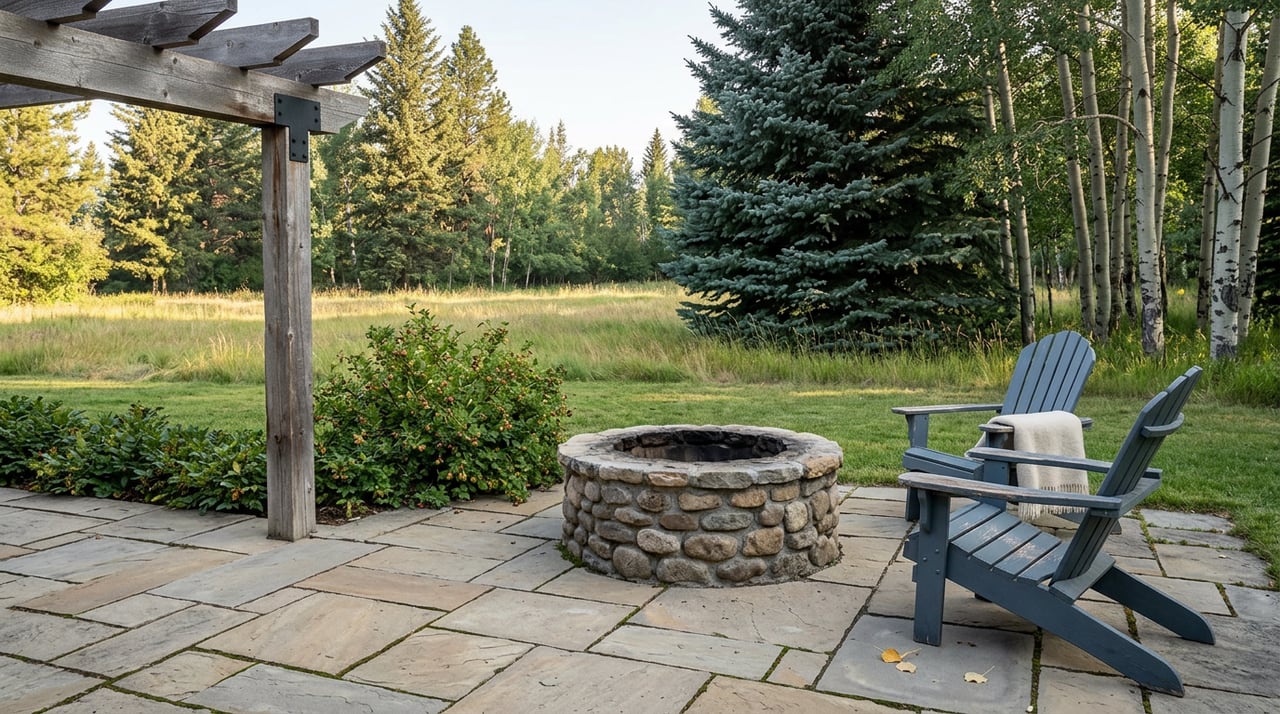
Ready to take the plunge into a mountain property? Maybe a house right in town is up your alley? Contact Julie today, she is passionate about making sure you find just the home of your dreams.
JULIE KERSTING
306 E Main St, PO Box 1105 Buena Vista CO 81211