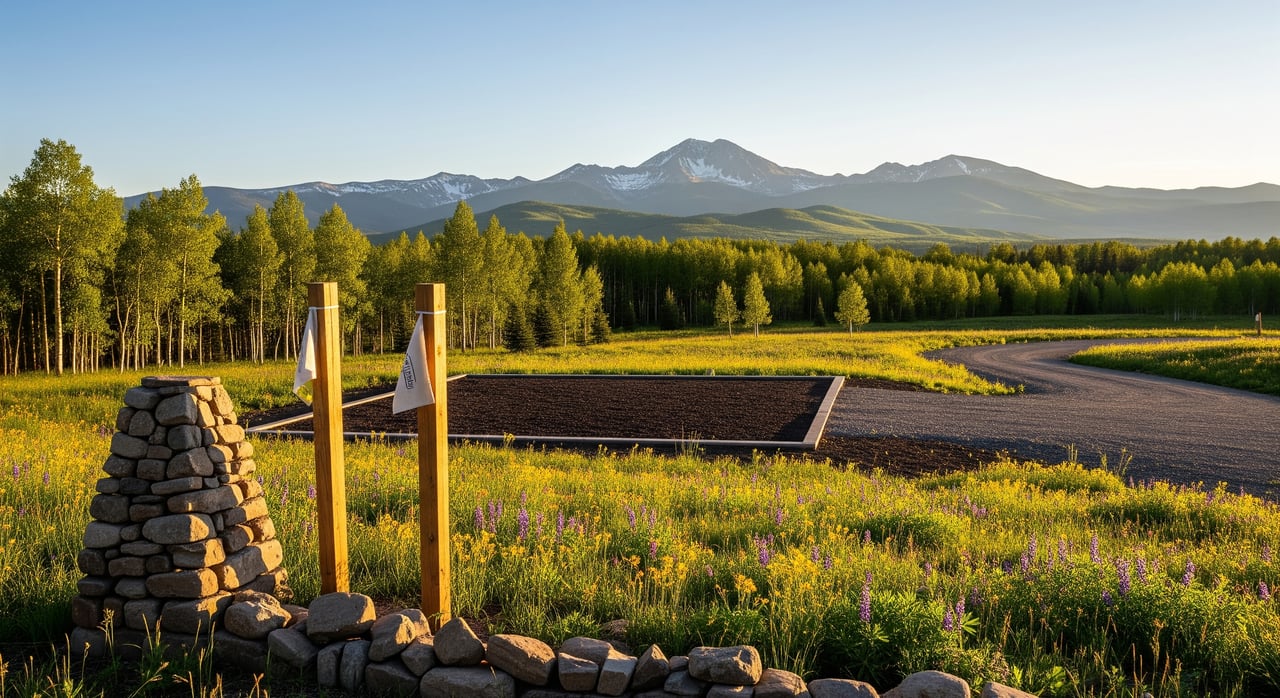
How to Price Vacant Land in Chaffee County CO
December 4, 2025
December 4, 2025
Pricing vacant land in Chaffee County can feel tricky. Unlike homes, no two parcels are alike, and small details can swing value by tens of thousands of dollars. You want a price that attracts qualified buyers without leaving money on the table. In this guide, you’ll learn how buyers think about land here, what to research, and a simple process to arrive at a confident price range. Let’s dive in.
Where your land sits is the first screen for most buyers. Parcels close to Salida, Buena Vista, or Poncha Springs, and near paved or well‑maintained county roads, usually command premiums because year‑round access, services, and shorter drives matter. Proximity to recreation corridors, like the Arkansas River, trailheads, and public lands, expands the buyer pool. Very remote acreage can sell, but it often brings a lower price per acre than smaller, closer‑in homesites.
Access type also matters. Paved county roads are most desirable, then maintained gravel, followed by unimproved or 4x4 access. Clear, recorded legal access is critical. If access exists only by an informal driveway with no recorded easement, lenders and buyers may walk away.
Power, water, and septic feasibility shape both price and timelines. Parcels near existing electrical service are more valuable than those requiring long line extensions. Water access is a major driver. If there is municipal or community water, buyers often place a premium on that convenience. If a well is required, nearby well depth and yield history can influence value. Septic feasibility depends on soil percolation, slope, and depth to bedrock, which the county evaluates during permitting. Broadband and cell service are increasingly important, especially for remote workers.
Adjudicated water rights or irrigation ditch shares can add significant value, especially for agricultural or irrigated uses. In Chaffee County, rights are within the Arkansas River Basin, and priority dates and ownership details matter. The presence of an existing, permitted well can be a meaningful positive if it is transferable. You can research well permits and well logs through the Colorado Division of Water Resources.
Flat to gently sloped land with good building envelopes is worth more than steep or heavily terraced parcels. Soil depth and bedrock impact foundation and septic costs. Floodplains or wetlands can limit where you can build and can reduce usable acreage. To verify flood zones, search the FEMA Flood Map Service Center.
Views of the Collegiate Peaks, valley panoramas, or river frontage often produce strong premiums. The size of the premium varies by submarket and buyer demand, so do not assume a fixed percentage. Paired sales in your immediate area are the best indicator of how much views add.
Price per acre usually declines as parcel size increases because the buyer pool for larger acreage is smaller. Shape and usable, buildable area influence value more than raw acreage. Zoning and permitted uses control highest and best use, so a parcel eligible for subdivision or higher density can command higher value per buildable acre. Covenants, HOA rules, and minimum square footage can either narrow or broaden your buyer pool.
Severed mineral rights or active reservations can deter buyers. Conservation easements limit development potential and usually reduce value, though they may offer tax benefits. Wildfire risk, landslide susceptibility, and flood risk can impact insurance and financing and should be disclosed.
Start with what is legally and physically possible, then consider what is financially reasonable. Confirm zoning and allowable uses. Clarify any covenants or CC&Rs. Check septic feasibility and road maintenance responsibilities. If subdivision could be possible, sketch what that might look like and tally realistic costs before you assume a developer’s price.
For most sellers, the sales comparison approach works best. Gather 3 to 6 recent closed sales in your immediate area that share the same highest and best use. In-town or near-town homesites compete with each other. Rural valley parcels, river‑adjacent parcels, and high‑country tracts have different buyer pools and price per acre norms. When residential lots are the end product, use price per lot or price per buildable acre rather than a raw price per acre.
Compare your parcel to each comp and make specific adjustments for:
Use paired‑sale logic where possible. If two sales are similar except one has panoramic views and sold higher, that difference helps quantify a views adjustment.
After you adjust, you should have a set of indicated values. Reconcile those into a low, likely, and high range. Your list price depends on your goals and timing. If you want stronger interest early, price near the market‑driven side of the range with clear documentation that supports your number.
If your parcel clearly supports subdivision or a small development, consider a residual land value view. Estimate the value of the completed lots or end product, subtract all development and soft costs plus a reasonable profit margin, and what remains is the land value. This method requires accurate cost and absorption assumptions, which is why developers and appraisers often run these analyses.
Build your file with verified records so buyers and lenders can move fast.
Buyers pay more when uncertainties are removed. Provide a clean, credible packet upfront.
Some parcels justify professional help, and the investment often pays back at closing.
Strong land pricing in Chaffee County starts with local context. Compare your parcel to the right submarket, verify the fundamentals that drive value, and adjust your comp set with care. Present a clear range with supporting documentation, and remove uncertainties that slow buyers down. If the parcel is complex or high value, a professional appraisal or technical opinions can protect your price and timeline.
If you want a local, strategic perspective on your specific parcel, reach out. As a Buena Vista native with decades of land and ranch experience, Julie Kersting can help you position your property with the right evidence, presentation, and pricing to close with confidence.
Ready to take the plunge into a mountain property? Maybe a house right in town is up your alley? Contact Julie today, she is passionate about making sure you find just the home of your dreams.
JULIE KERSTING
306 E Main St, PO Box 1105 Buena Vista CO 81211